

Bleeding gums are most often caused by plaque and tartar buildup along the gumline, not by brushing too hard. Research shows that half of Indian adults have some form of periodontal disease. Whether the cause is early-stage gingivitis or advanced periodontitis determines the treatment needed a single professional scaling appointment resolves gingivitis completely, while periodontitis, which affects the bone, requires specialist gum treatment over several months. A clinical examination confirms which stage you are at.
A pink tinge on the toothbrush. A faint metallic taste. Sometimes it happens while flossing, sometimes with no obvious trigger at all. The question that follows is usually the same: is this serious, or just bad brushing technique?
Bleeding gums are one of the most commonly reported dental concerns among patients visiting clinics across Noida and the data backs up why. A large systematic review covering more than 92,000 Indian adults found that 51 percent have some form of periodontal disease, with gingivitis alone affecting close to half the adult population. Most people assume brushing harder or more often will fix the problem. In most cases, however, the cause runs considerably deeper than technique.
Healthy gums do not bleed during normal brushing or flossing. When they do, it signals that the gum tissue is inflamed and the cause is almost always bacterial plaque. Bacteria in the mouth feed on food particles and form a sticky film called plaque. Left uncleaned, this hardens into tartar, also called calculus, which brushing alone cannot remove. The immune system responds to this bacterial buildup with inflammation, and that inflammation is the starting point of gum disease.
The range of what bleeding gums can indicate is genuinely wide from a problem one professional cleaning resolves completely, to a condition that requires specialist gum treatment over several months. Understanding where you sit on that range is the difference between a simple fix today and permanent bone and tooth loss later.
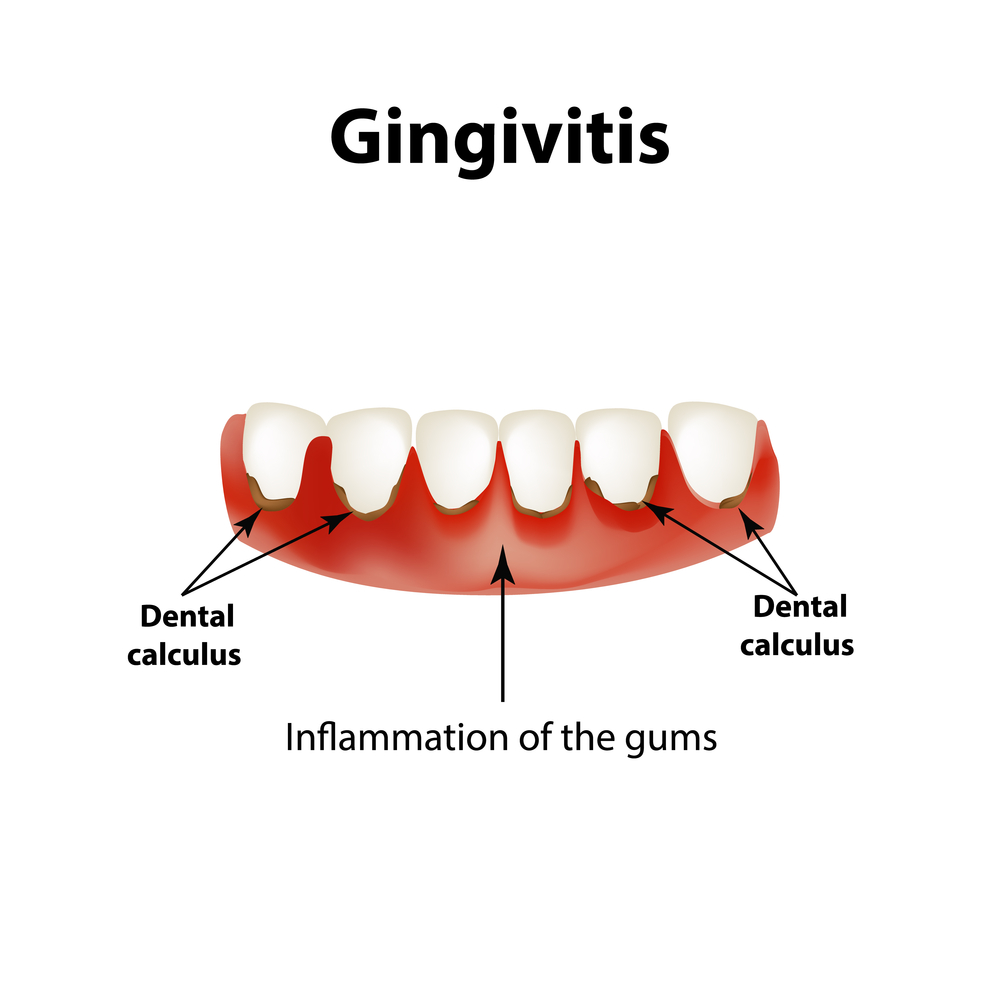
Gingivitis is the earliest stage of gum disease. It presents as red, swollen, bleeding gums typically without pain or any other noticeable symptom, which is exactly why it often goes undetected for months.
The crucial distinction about gingivitis is that it affects the gum tissue alone. It has not yet spread to the bone or the deeper structures that anchor the teeth. Because no permanent damage has occurred, gingivitis can be reversed entirely with professional cleaning and improved home oral hygiene.
In practical terms, a patient who presents with gingivitis even after months of mild symptoms can achieve complete resolution with a single professional scaling and polishing appointment. It is worth being clear about what this actually involves: scaling removes the existing tartar, but preventing recurrence depends equally on consistent daily brushing and interdental cleaning at home afterward. The gums return to a firm, pink, healthy state, and the bleeding stops entirely.
For patients who act at this stage, no surgery, no prolonged treatment, and no irreversible procedures are required. Gingivitis caught early is one of the most straightforward conditions in dentistry to resolve completely.
If gingivitis is left untreated, the infection can spread into the bone and ligaments that anchor the teeth a condition called periodontitis. Over time, this causes teeth to loosen and, in advanced cases, to be lost entirely. It is considered the leading cause of tooth loss in adults worldwide.
The critical difference between gingivitis and periodontitis is permanence. Gingivitis is completely reversible. Periodontitis is not. Once bone loss occurs, it cannot be naturally regenerated though appropriate treatment halts the progression, prevents further damage, and protects the bone and teeth that remain.
Periodontitis is also largely silent in its early-to-moderate stages. Many patients are genuinely shocked to learn they have significant bone loss around multiple teeth, simply because they have felt little or no pain. The absence of pain is not a reliable indicator of gum health pain is typically a late-stage symptom of periodontitis, which is why waiting for pain before seeking assessment allows the condition to progress further than necessary. Only a clinical examination including probing the depth of the gum pockets around each tooth and reviewing bone levels on an X-ray can accurately determine whether periodontitis is present and how advanced it is.
The signs that suggest gum disease may have progressed beyond gingivitis include gums that bleed regularly despite consistent brushing and have not improved after several weeks; gums pulling away from the teeth, making them look longer or exposing the root surface; persistent bad breath that brushing does not resolve, caused by bacterial activity deep in the gum pockets rather than surface plaque; teeth that feel loose or have visibly shifted position; and a sensation that the bite feels different. Any combination of these warrants a periodontal assessment rather than a wait-and-see approach.
One clinical detail worth knowing: smoking reduces gum bleeding by constricting the blood vessels in the gum tissue. This means a smoker with minimal visible bleeding may still have significant, advanced bone loss happening silently underneath. Reduced bleeding in a smoker should never be interpreted as a sign of healthy gums if anything, it can mask a more serious underlying problem.
Patients searching for teeth cleaning in Sector 50 Noida should understand that "cleaning" covers meaningfully different procedures depending on what the clinical examination reveals.
Scaling and polishing is the professional cleaning most patients are familiar with. An ultrasonic scaler removes calculus from the tooth surfaces above and just below the gumline, and polishing clears surface staining and plaque biofilm. This is the correct treatment for gingivitis and the first step in managing mild-to-moderate periodontitis. A standard appointment takes 30 to 45 minutes and is recommended every six months for most patients; those with faster tartar buildup may need it every three to four months.
Scaling and root planing deep cleaning goes further below the gumline. In periodontitis, the gum detaches from the tooth and forms a pocket that traps bacteria beyond the reach of a toothbrush. This procedure removes calculus and smooths the root surface deep within these pockets under local anaesthesia, typically across multiple sessions treating one or two quadrants of the mouth at a time.
Laser-assisted periodontal treatment disinfects pockets after mechanical scaling, destroying bacteria at a depth that instruments alone cannot reach, without cutting the gums. It reduces post-treatment discomfort and improves outcomes in deeper pockets compared to conventional surgical approaches. Periodontal surgery is reserved for advanced cases where non-surgical treatment has not been sufficient flap surgery gives the periodontist direct access to root surfaces and bone defects for thorough cleaning, with bone grafting placed where appropriate.
After active treatment, the periodontal condition must be managed on an ongoing basis. Patients who have had periodontitis need professional cleaning every three to four months not every six for life. This schedule is what prevents the condition from recurring and allows the dentist to monitor pocket depths over time.
Routine scaling and polishing in Noida typically costs between ₹800 and ₹2,500, depending on the clinic and the extent of tartar buildup. Deep cleaning for periodontitis ranges from ₹2,500 to ₹8,000 per session, depending on how many quadrants require treatment and whether laser-assisted disinfection is included.
At Kaizen Dental, Sector 50, the exact cost is confirmed after a clinical examination, since treatment needs genuinely vary between patients a quote given without an examination is, at best, an estimate. A transparent cost breakdown is always provided before any procedure begins.
While gum disease is by far the most common cause of bleeding gums, a few other factors are worth knowing. Certain medications including blood thinners, some anticonvulsants, and some blood pressure medications can cause gum changes or an increased bleeding tendency, and patients on these should inform their dentist, as it affects how the condition is managed. Hormonal changes during pregnancy cause a condition called pregnancy gingivitis, where gums become significantly more reactive to plaque; this typically resolves after delivery but requires professional monitoring and cleaning during pregnancy.
The link between gum disease and overall health is well established. Research consistently shows associations between periodontitis and conditions including heart disease and diabetes. In the case of diabetes, the relationship is bidirectional poor blood sugar control worsens gum disease, and gum disease makes blood sugar harder to control.
Periodontology the specialty treating gum and bone disease around teeth is a two-to-three-year postgraduate qualification beyond a basic dental degree. Diagnosing moderate-to-advanced periodontitis, planning laser periodontal treatment, and deciding when surgery is or is not indicated all depend on this level of training.
At Kaizen Dental, Central 50 Market, near Sector 50 Metro Station, Dr. Monika Kamboj holds an MDS in Periodontology with over 16 years of clinical experience. Patients from Sector 49, 50, 51, 52, 137, and the surrounding Noida catchment including our new branch near Medanta presenting with bleeding gums, whether symptoms have been present for weeks or years, receive a comprehensive periodontal assessment, a clear explanation of findings, and a personalised treatment plan.
The earlier a gum problem is assessed, the simpler the treatment required. A condition that resolves completely with one teeth cleaning appointment today can become a multi-month treatment protocol if left for another year.
Call or WhatsApp: 99539 09390
This article is for general informational purposes. A clinical assessment with periodontal charting and X-rays is required for an accurate diagnosis.
Q1. Why do my gums bleed even though I brush twice a day?
Brushing frequency alone does not prevent gum disease if technique is poor, interdental areas are missed, or significant tartar has already formed. Tartar cannot be removed by brushing — only professional scaling removes it effectively. Gums that bleed despite regular brushing should be assessed to identify whether plaque accumulation, gum disease, or another cause is responsible.
Q2. Is bleeding from the gums serious, and can it heal on its own?
Bleeding gums most often indicate gingivitis — a reversible inflammation from plaque along the gumline. Left untreated, it can progress to periodontitis, causing irreversible bone loss and eventual tooth loss. Very early gingivitis may show some improvement within 7 to 14 days of significantly better home hygiene, but any tartar that has already formed will not resolve without professional removal, and bone loss will not reverse without treatment. The condition is not usually a dental emergency, but it should never be ignored — the sooner it is assessed, the simpler the solution.
Q3. What is the difference between scaling and deep cleaning?
Standard scaling removes calculus from the tooth surfaces above and just below the gumline and is the correct treatment for gingivitis. Deep cleaning — scaling and root planing — goes further into the periodontal pockets that form once gum disease has progressed below the gumline. It is performed under local anaesthesia and requires multiple appointments. The clinical examination and X-ray findings determine which procedure is appropriate for you.
Q4. Is scaling or deep cleaning painful?
Standard scaling is not painful for most patients and requires no anaesthesia, though some sensitivity may occur if the gums are very inflamed. Deep cleaning is always carried out under local anaesthesia, so the procedure itself is comfortable. Mild soreness for two to three days afterward is normal and resolves without treatment.
Q5. How much does teeth cleaning cost in Noida?
Routine scaling and polishing in Noida typically costs between ₹800 and ₹2,500, depending on the clinic and the extent of tartar buildup. Deep cleaning for periodontitis ranges from ₹2,500 to ₹8,000 per session. At Kaizen Dental, Sector 50, the exact cost is confirmed after a clinical examination, since treatment needs vary between patients, and a transparent estimate is always provided before any procedure begins.
Q6. How often should I get professional teeth cleaning done?
Every six months for patients without active gum disease. Every three to four months for patients previously treated for periodontitis, to prevent recurrence and monitor the condition closely.
Q7. Does smoking affect bleeding gums and gum disease risk?
Yes, significantly and in a counter-intuitive way. Smoking increases the risk of periodontitis and makes it more severe, but it also constricts the blood vessels in the gums, which reduces visible bleeding. This means a smoker can have significant, advanced gum disease while showing very little bleeding a false reassurance that often delays diagnosis. Reduced bleeding in a smoker should never be taken as a sign that the gums are healthy.
Q8. Can gum disease affect my overall health?
Yes. Research consistently shows associations between gum disease and conditions including heart disease and diabetes. The relationship with diabetes is bidirectional — poor blood sugar control worsens gum disease, and gum disease makes blood sugar harder to manage. Treating gum disease is part of an overall health picture, not a purely cosmetic concern.